
Published:
October 2, 2026

3
min read
What We Learned from Studying 50+ Startup Brands
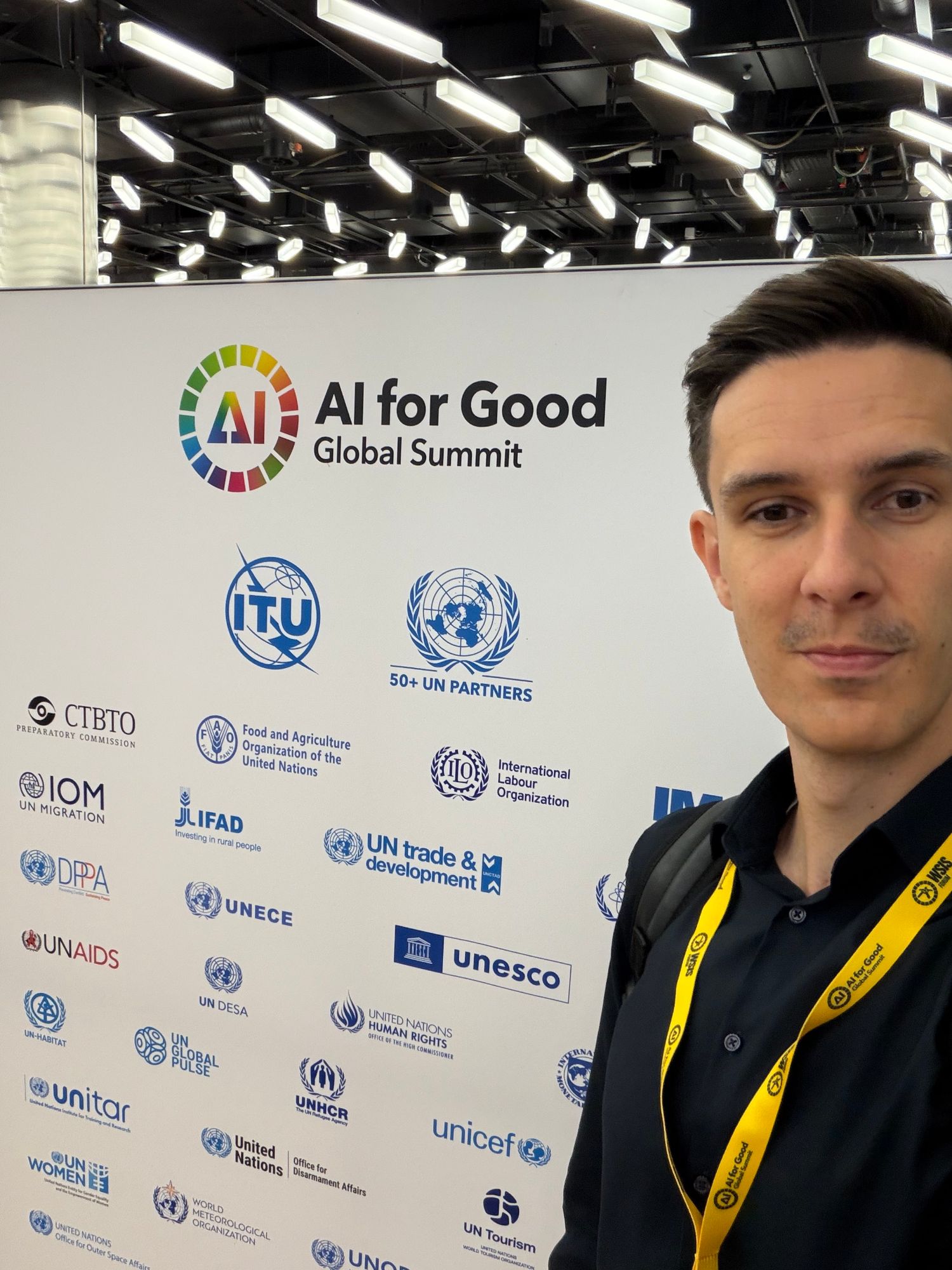
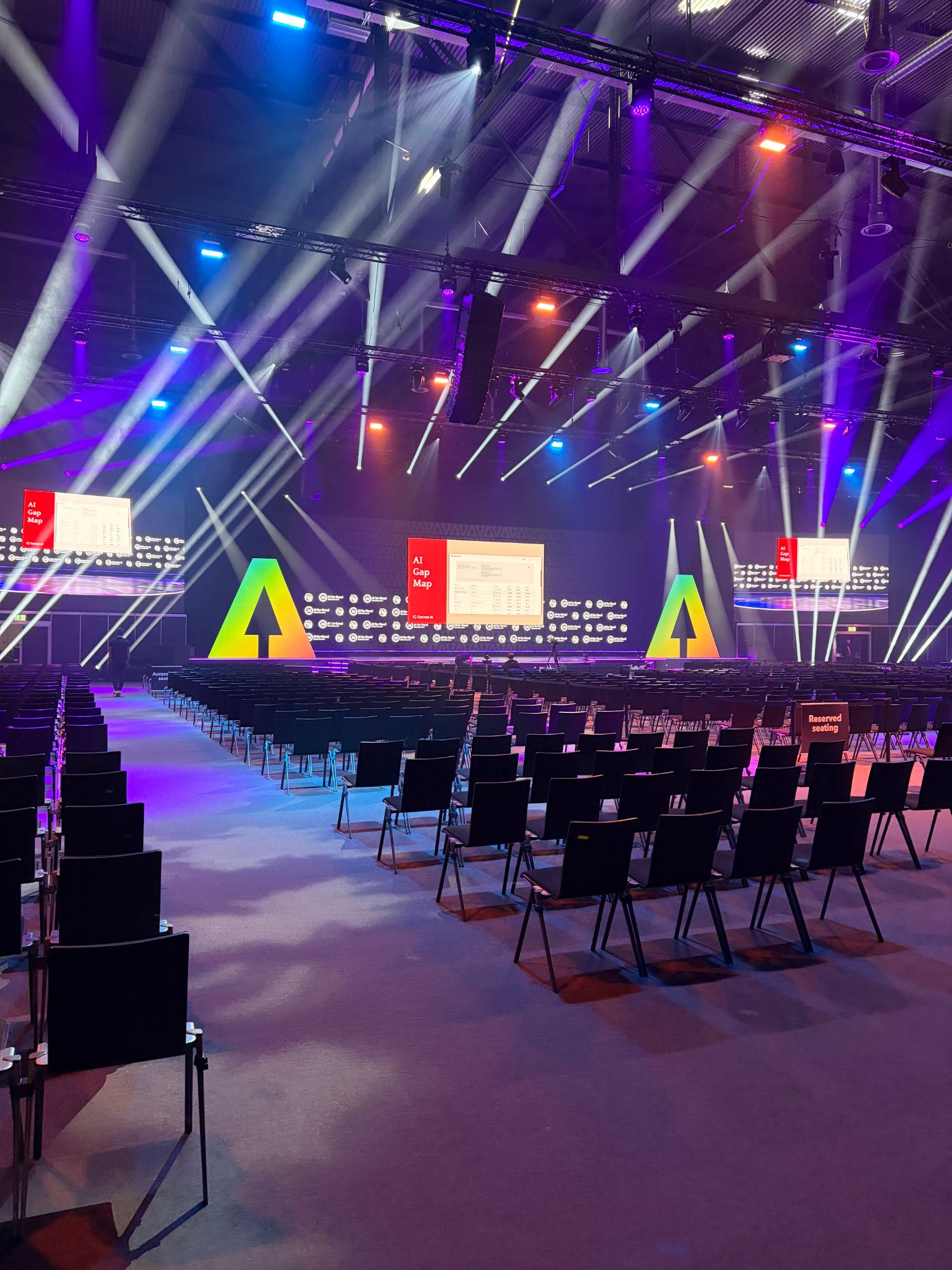
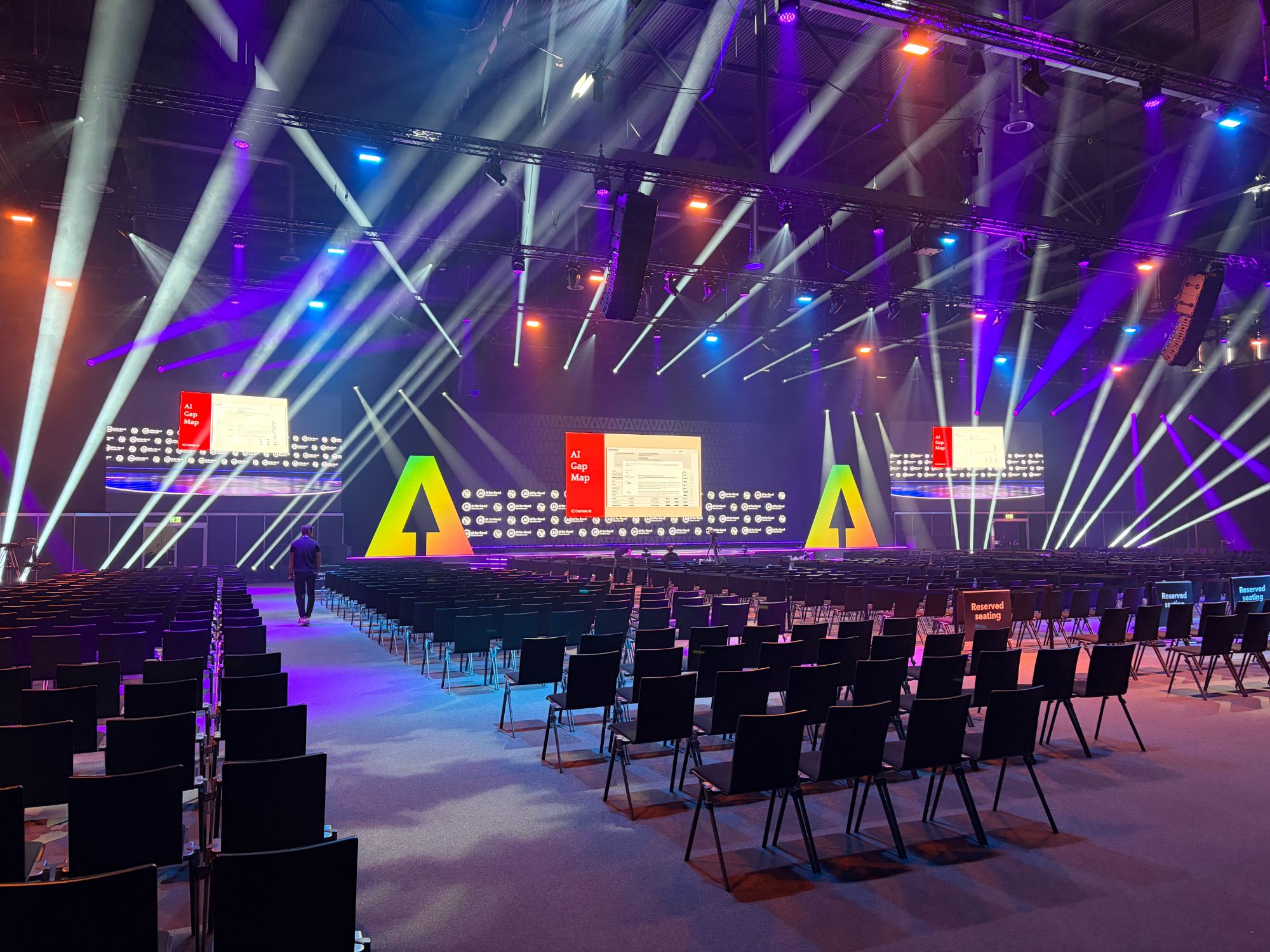
At the AI for Good Masterclass, Tomáš Petrek presented findings from GoBIGNAME's analysis of more than 50 startup brands, conducted over the past months. He drew on 15 years in branding and more than 350 brand launches and brand evolutions. The session covered the difference between product-market fit and real-world adoption, the costliest branding and marketing mistakes, the drivers of brand growth, brand codes and the branding elements that directly impact market share.
GoBIGNAME at the AI for Good Masterclass
Keypoints
- 50+ brands: GoBIGNAME analysed 50+ startup brands, drawing on 15 years and 350+ brand launches.
- Adoption: Product-market fit is not real-world adoption; trust, distribution and institutional friction are common scaling barriers.
- Brand codes: Symbol, colour, character, shape or font – choose the ones that resonate and set you apart.
- Market share: Prioritise the branding elements that directly impact market share.
What the session covered
Four learning objectives, illustrated with real-world examples of successful startups and scale-ups.
1. Adoption dynamics and scaling barriers
Product-market fit and real-world adoption are two different things. Tomáš walked participants through the stakeholder and decision-making structures around their solution and the common scaling barriers, including trust, distribution and institutional friction. Participants learned a structured approach to identifying the right partners and channels for scale, and how to create an initial adoption strategy tailored to their ecosystem. This part also covered the costliest mistakes startups make in branding and marketing, and how to avoid them.
2. Key drivers of brand growth
Participants received practical frameworks and examples that break down what drives brand growth.
3. Brand codes that resonate and differentiate
Brand codes are the recognisable elements of a brand, such as symbol, colour, character, shape or font. Tomáš showed how to define and select the ones that resonate with the target audience and set the business apart from competitors.
4. Branding elements that impact market share
Participants learned to analyse which branding elements directly impact market share and how to prioritise them effectively.
Participants learned key principles and lessons backed by real-world examples of successful startups and scale-ups that thrive in their markets and attract global attention.
What is AI for Good?
AI for Good is the United Nations platform for using artificial intelligence to advance global sustainable development. The International Telecommunication Union (ITU) established it in 2017 in partnership with more than 50 UN agencies, and the Government of Switzerland co-convenes it. The platform connects governments, industry, academia and civil society. Its community counts more than 37,000 contributors in over 180 countries. The work centres on building skills, establishing global technical standards and implementing practical AI solutions in critical areas such as healthcare, climate resilience, digital agriculture and autonomous networks.
Want to apply this to your brand?

CEO / Co-Founder